Need a bat survey?
All bat species in the UK are legally protected, meaning their roosts, access points and resting places are safeguarded by law and must be properly assessed before development or works take place.
A Preliminary Roost Assessment (PRA) is the initial stage of a bat survey, where we inspect a building to assess its suitability for roosting bats.
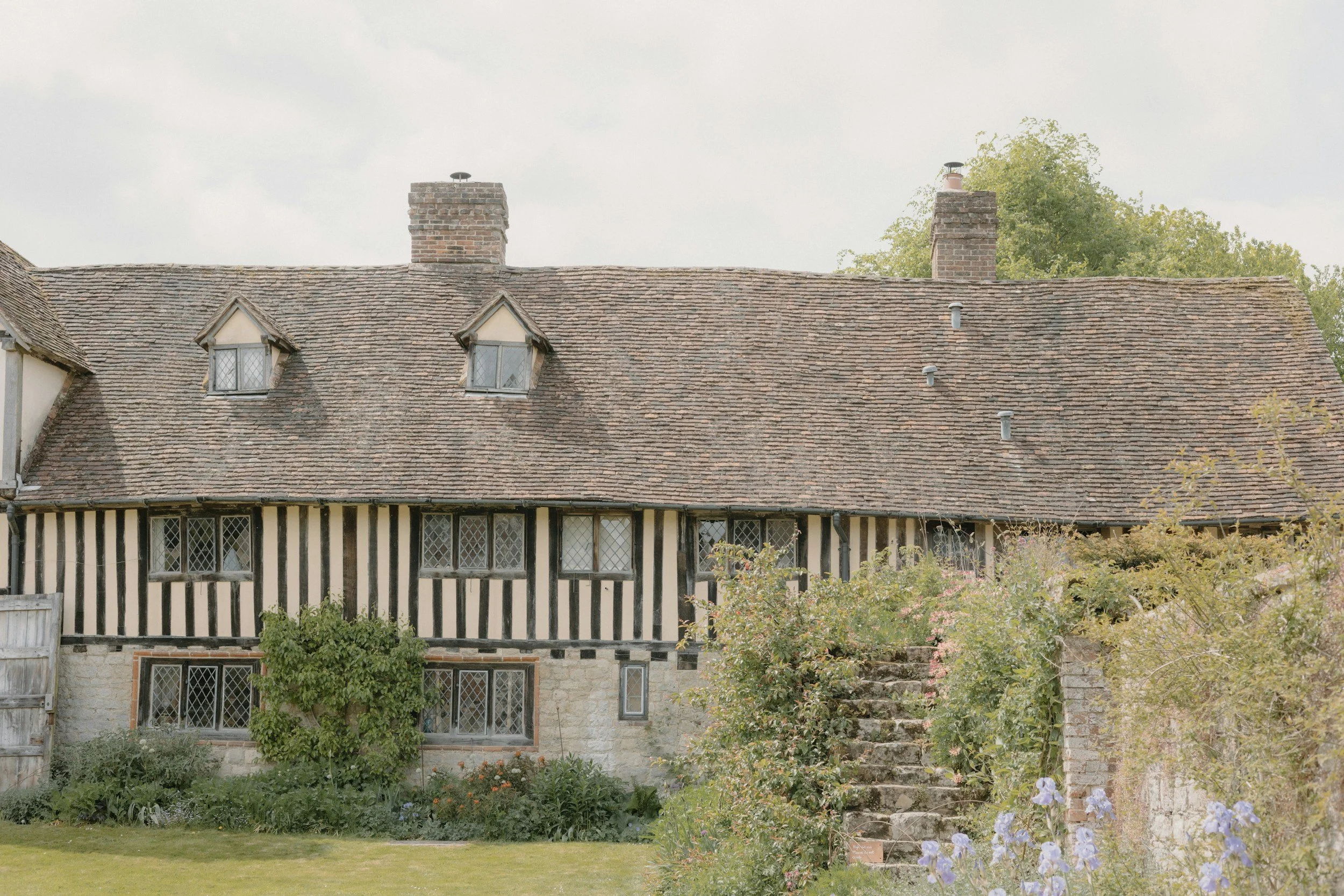
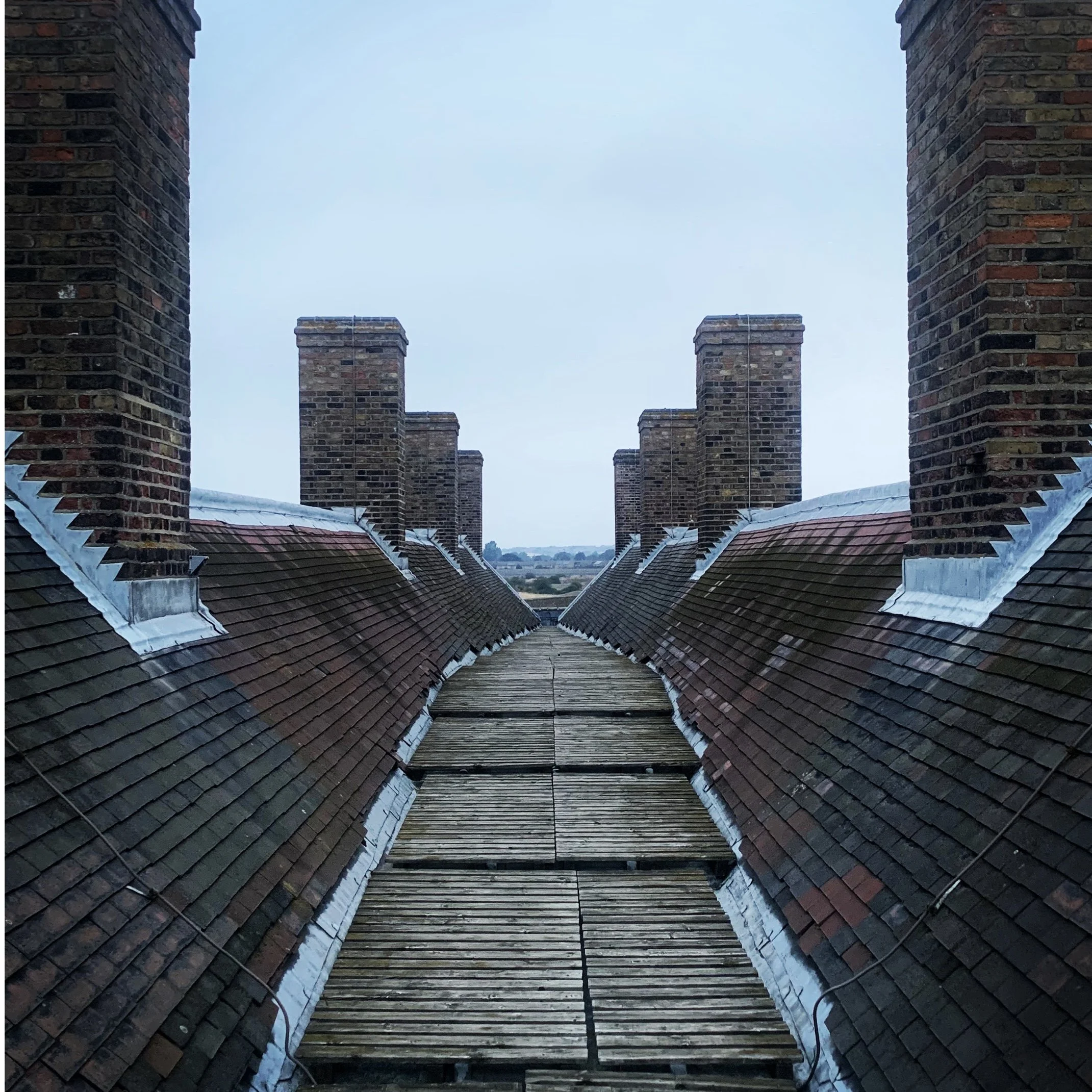
Bats are highly cryptic species, often remaining hidden within small gaps and crevices during the day. As a result, we rely on identifying secondary field signs such as droppings, feeding remains, staining, or characteristic odours, alongside assessing potential roosting features within the structure. These features may include access points into roof voids, lifted or missing tiles, gaps within soffits and fascias, crevices in brickwork, and openings around ridge tiles or flashing.
Following the assessment, one of three outcomes will apply:
No suitable roosting features identified – no further bat surveys are required.
Potential roosting features present – further bat activity surveys will be required to determine whether bats are using the building.
Evidence of roosting bats identified – further activity surveys will be required to establish the type and significance of the roost.
All our bat surveys are undertaken in line with current Bat Conservation Trust guidelines.
Stage 1: Preliminary Roost Assessment
If the Preliminary Roost Assessment identifies potential roosting features, the building will be categorised as having low, moderate or high suitability for roosting bats in accordance with Bat Conservation Trust guidance.
This determines whether further nocturnal activity surveys are required and how many visits are necessary.
For buildings assessed as having low suitability, a single dusk or dawn survey may be sufficient, moderate suitability typically requires two surveys, and high suitability generally requires three survey visits, undertaken between May and September when bats are active.
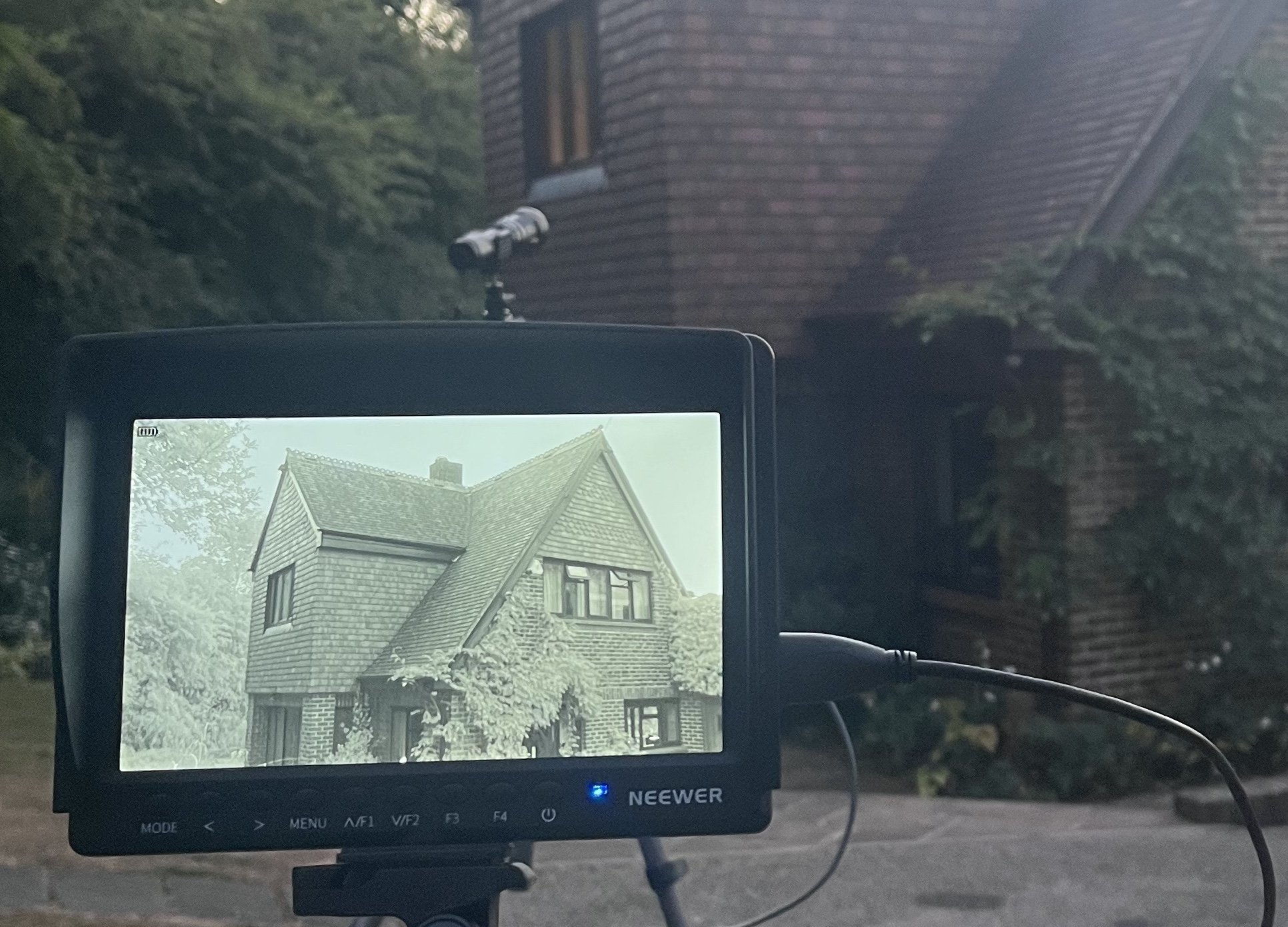
These surveys involve observing the building at dusk using bat detectors and IR camera to record emerging or returning bats. Dusk surveys begin 15 minutes before sunset and continuing for approximately one and a half to two hours after sunset, as this is when bats emerge to forage depending on species.
The results will determine if bats are using the building, the species present, number of bats and type of roost.
Should bats be found, a European Protected Species licence from Natural England will be required before any works that could affect the roost can lawfully proceed.
Stage 2: Nocturnal Activity Surveys